- +91 9820068612
- Monday to Saturday: 10:00am : 06:00pm
- drjagdishdgada@gmail.com


A hysterectomy is the surgical removal of the uterus, and most likely, the cervix. Depending on the reason for the surgery, a hysterectomy may involve removing surrounding organs and tissues, such as the fallopian tubes and ovaries. The uterus is where a baby grows during pregnancy. It's lining is the blood you shed during your menstrual period. You lose the ability to get pregnant and you will not get your period after a hysterectomy.
Your healthcare provider will discuss which type of hysterectomy is needed depending on your condition. This will determine if your fallopian tubes and/or ovaries need to be removed.
Total hysterectomy: Removing the uterus and cervix, but leaving the ovaries.
Supracervical hysterectomy: Removing just the upper part of the uterus while leaving the cervix.
Total hysterectomy with bilateral salpingo-oophorectomy: Removing the uterus, cervix, fallopian tubes (salpingectomy) and ovaries (oophorectomy). If you haven't experienced menopause, removing the ovaries will start menopausal symptoms.
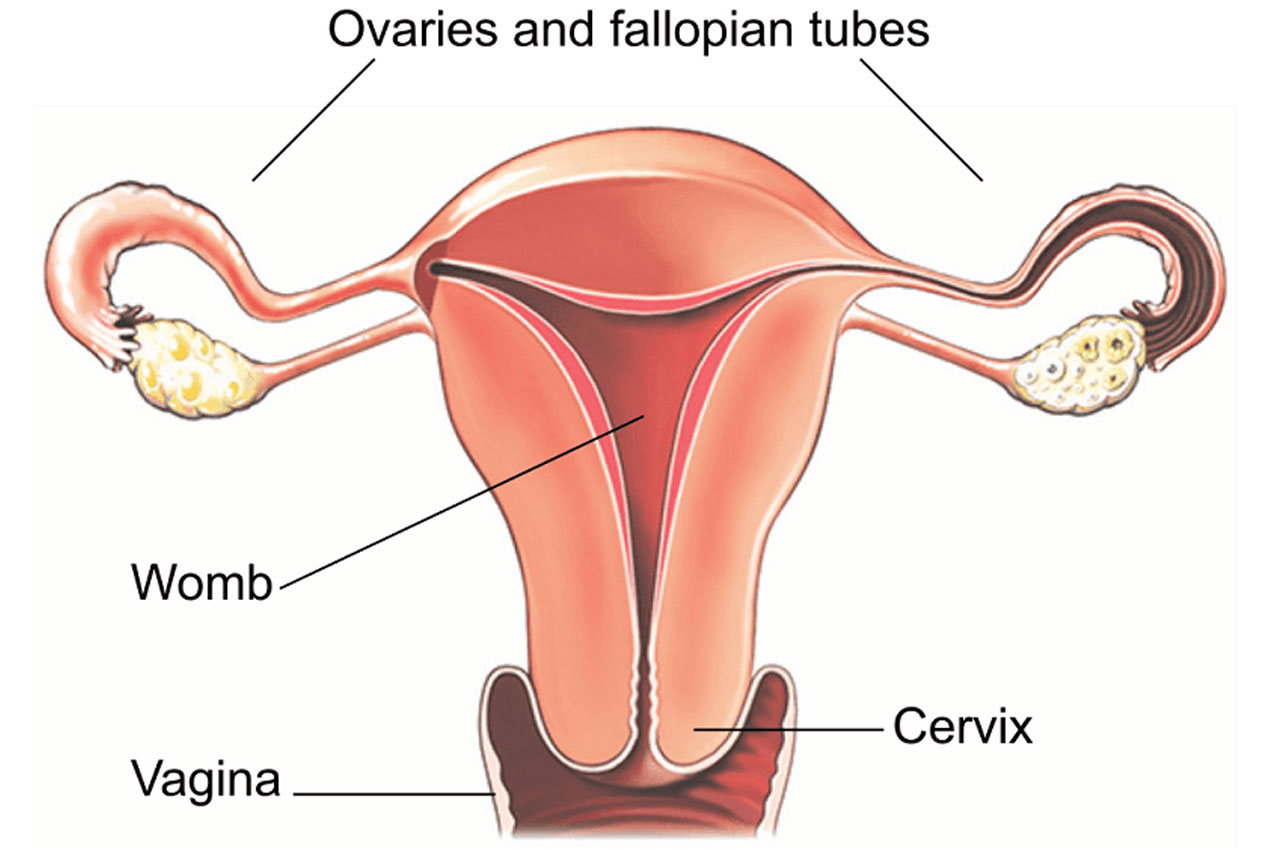
Radical hysterectomy with bilateral salpingo-oophorectomy: The removal of the uterus, cervix, fallopian tubes, ovaries, the upper portion of the vagina and some surrounding tissue and lymph nodes. This type of hysterectomy is performed when cancer is involved.